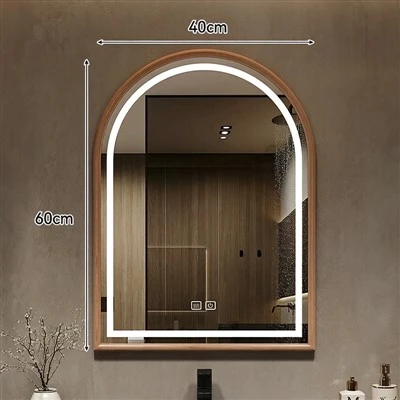

In the modern era of bathroom design, rectangle LED bathroom mirrors have emerged as a popular choice for homeowners and designers alike. These mirrors not only provide a clear reflection but also add a touch of elegance and functionality to the bathroom. As a leading supplier of Rectangle LED Bathroom Mirror, I often receive inquiries from customers about the potential electrical interference caused by these mirrors. In this blog post, I will delve into the scientific aspects of electrical interference and explore whether rectangle LED bathroom mirrors pose any such risks.
Understanding Electrical Interference
Electrical interference, also known as electromagnetic interference (EMI) or radio-frequency interference (RFI), occurs when an electrical or electronic device generates electromagnetic fields that disrupt the normal operation of other nearby devices. This interference can manifest in various forms, such as distorted signals, static noise, or even complete device malfunction.
There are two main types of electrical interference: conducted interference and radiated interference. Conducted interference occurs when the interference is transmitted through electrical conductors, such as power cords or signal cables. Radiated interference, on the other hand, is transmitted through the air as electromagnetic waves.
How Rectangle LED Bathroom Mirrors Work
Before we can determine whether rectangle LED bathroom mirrors cause electrical interference, it's important to understand how they work. Rectangle LED bathroom mirrors are essentially mirrors with built-in LED lights. These lights are typically powered by a low-voltage DC power supply, which converts the standard AC household voltage into a safe and suitable voltage for the LEDs.

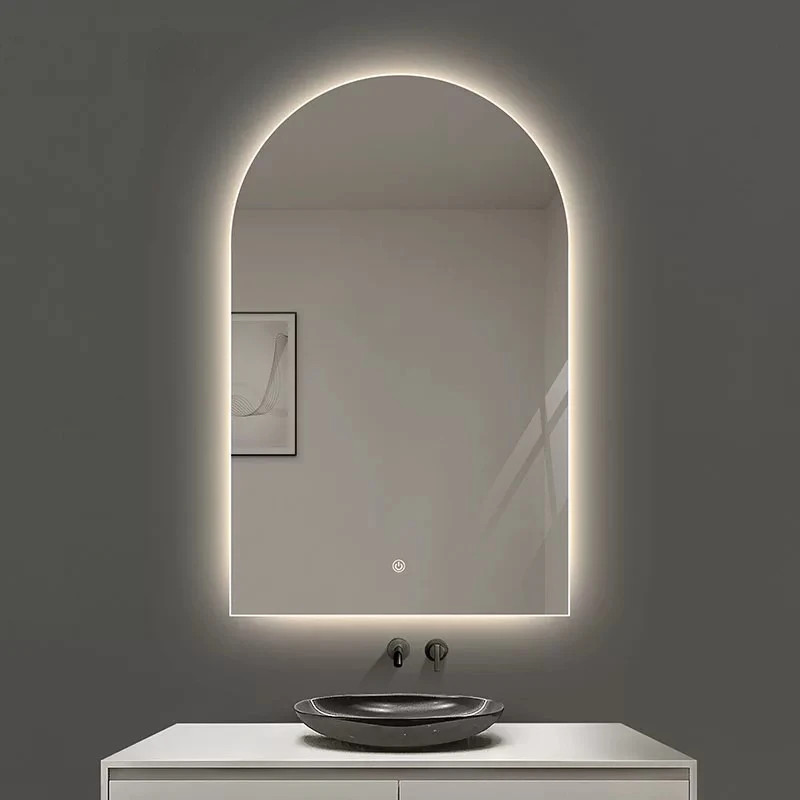
The LEDs used in these mirrors are semiconductor devices that emit light when an electric current passes through them. They are known for their energy efficiency, long lifespan, and high brightness. In addition to the LEDs, rectangle LED bathroom mirrors may also include features such as anti-fogging technology, touch controls, and dimming capabilities.
Potential Sources of Electrical Interference in Rectangle LED Bathroom Mirrors
While rectangle LED bathroom mirrors are generally designed to be safe and reliable, there are a few potential sources of electrical interference that we need to consider:
- LED Drivers: The LED driver is a crucial component of the LED lighting system. It regulates the voltage and current supplied to the LEDs to ensure proper operation. However, some low-quality LED drivers may generate electrical noise or interference, especially if they are not properly shielded or filtered.
- Power Supplies: The power supply used to convert the AC household voltage to DC voltage for the LEDs can also be a source of electrical interference. If the power supply is not designed to meet the relevant electromagnetic compatibility (EMC) standards, it may generate conducted or radiated interference.
- Touch Controls and Sensors: Many rectangle LED bathroom mirrors come with touch controls or sensors that allow users to adjust the brightness, color temperature, or other settings of the lights. These controls and sensors rely on electrical signals to function, and if they are not properly designed or shielded, they may generate interference.
Assessing the Risk of Electrical Interference
To assess the risk of electrical interference caused by rectangle LED bathroom mirrors, it's important to consider several factors, including the quality of the components used, the design of the mirror, and the installation environment.
- Quality of Components: High-quality rectangle LED bathroom mirrors are typically equipped with well-designed LED drivers, power supplies, and touch controls that meet the relevant EMC standards. These components are designed to minimize electrical interference and ensure reliable operation. On the other hand, low-quality mirrors may use cheaper components that are more likely to generate interference.
- Design of the Mirror: The design of the mirror can also affect the risk of electrical interference. For example, mirrors that are properly shielded and grounded are less likely to generate or be affected by interference. Additionally, the layout of the electrical components inside the mirror can also play a role in minimizing interference.
- Installation Environment: The installation environment can also have an impact on the risk of electrical interference. For example, if the mirror is installed in a bathroom with a lot of other electrical devices, such as hair dryers, electric shavers, or radios, there may be a higher risk of interference. Additionally, if the mirror is installed near a source of strong electromagnetic fields, such as a microwave oven or a Wi-Fi router, it may be more susceptible to interference.
Mitigating Electrical Interference
If you are concerned about the potential for electrical interference caused by your rectangle LED bathroom mirror, there are several steps you can take to mitigate the risk:
- Choose a High-Quality Mirror: As mentioned earlier, choosing a high-quality rectangle LED bathroom mirror that uses well-designed components is the first step in minimizing the risk of electrical interference. Look for mirrors that are certified to meet the relevant EMC standards.
- Proper Installation: Proper installation of the mirror is also crucial in minimizing the risk of electrical interference. Make sure the mirror is installed according to the manufacturer's instructions and that all electrical connections are secure. Additionally, ensure that the mirror is properly grounded to prevent electrical shocks and reduce the risk of interference.
- Keep Electrical Devices Away: To minimize the risk of interference, try to keep other electrical devices away from the mirror. Avoid installing the mirror near sources of strong electromagnetic fields, such as microwave ovens, Wi-Fi routers, or other electronic devices.
- Use Shielded Cables: If possible, use shielded cables for the electrical connections between the mirror and the power supply. Shielded cables are designed to reduce the amount of electrical interference that can be transmitted through the cables.
Conclusion
In conclusion, while rectangle LED bathroom mirrors have the potential to cause electrical interference, the risk is generally low if you choose a high-quality mirror and install it properly. By understanding the potential sources of interference and taking the necessary steps to mitigate the risk, you can enjoy the benefits of a rectangle LED bathroom mirror without worrying about electrical interference.
As a supplier of Rectangle LED Bathroom Mirror, we are committed to providing our customers with high-quality products that meet the highest standards of safety and performance. Our mirrors are designed and tested to minimize the risk of electrical interference and ensure reliable operation. If you have any questions or concerns about our products, please do not hesitate to contact us. We would be happy to assist you with your purchase and provide you with more information about our rectangle LED bathroom mirrors.
In addition to rectangle LED bathroom mirrors, we also offer a wide range of other LED bathroom mirrors, including Backlit LED Bathroom Mirror, Anti-Fog LED Bathroom Mirror, Irregular LED Bathroom Mirror, and Wood Frame LED Bathroom Mirror. Whether you are looking for a simple and elegant mirror or a more advanced mirror with features such as touch controls and dimming capabilities, we have the perfect solution for you.
If you are interested in purchasing our LED bathroom mirrors or have any questions about our products, please contact us today. Our team of experts will be happy to assist you with your purchase and provide you with more information about our products and services. We look forward to hearing from you!
References
- Electromagnetic Compatibility (EMC) Standards and Guidelines
- LED Lighting Technology: Principles and Applications
- Electrical Safety in the Bathroom: Best Practices and Regulations