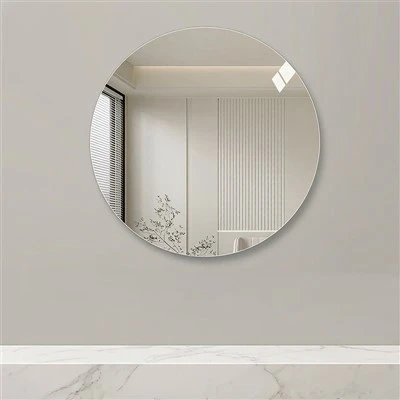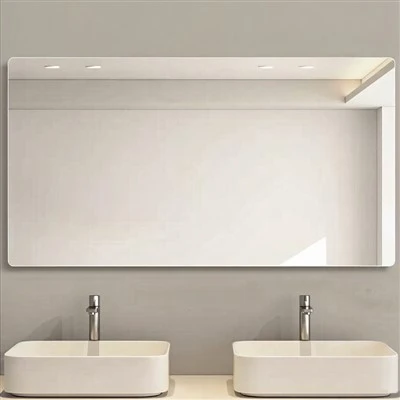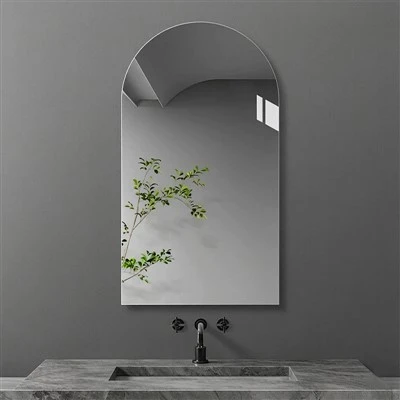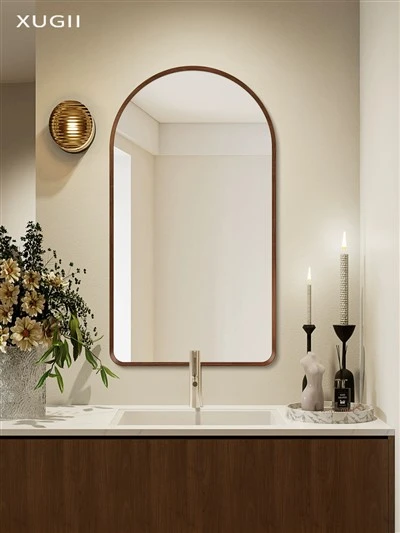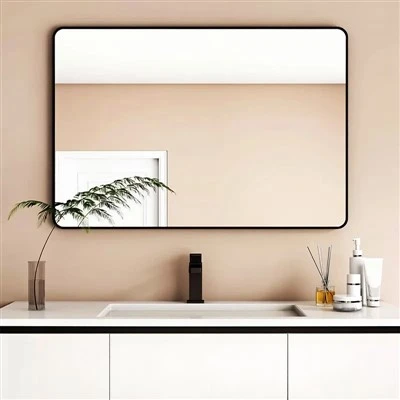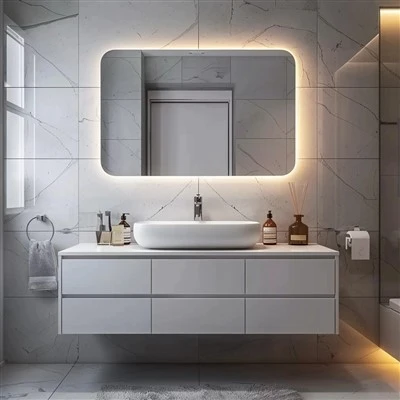
With changing modern lifestyles, consumers are placing greater emphasis on personal care, grooming, and the functionality of household products. As a commonly used mirror product, tabletop mirrors are widely applied in bedrooms, bathrooms, offices, beauty spaces, and hotels due to their flexible size, convenient use, and broad applicability. In recent years, advances in material technology, optical engineering, and smart control systems have driven tabletop mirrors to evolve from traditional mirror products into multifunctional and intelligent solutions, providing users with more comfortable and efficient experiences.
Mirror manufacturing technology is the foundation of tabletop mirror performance. High-quality tabletop mirrors generally use premium glass materials and improve reflection quality through processes such as silver coating or aluminum coating. During production, manufacturers must carefully control glass flatness, coating uniformity, and surface treatment processes to prevent issues such as distortion, unclear reflection, or uneven brightness, ensuring an accurate and comfortable visual experience.
Structural design technology is another important factor affecting tabletop mirror performance. Traditional tabletop mirrors mainly consist of a mirror surface, support frame, and base, while modern products focus more on stability, portability, and adjustability. Some tabletop mirrors adopt rotating structures, allowing users to change viewing angles according to different needs. Optimized base designs also improve stability and prevent unwanted movement during use.
The development of lighting technology has further enhanced the value of tabletop mirrors. LED lighting systems are now widely used in modern tabletop mirrors, providing more balanced illumination through surrounding or localized lighting designs. Compared with traditional lighting sources, LEDs offer advantages such as low energy consumption, high brightness, and long service life, making them suitable for makeup application, skincare, shaving, and detailed facial observation. Some products also support brightness adjustment and color temperature switching, allowing users to select different lighting modes according to various environments.
Smart control technology is becoming an important direction for future tabletop mirror development. Some intelligent tabletop mirrors now include touch controls, sensor systems, wireless charging, and smart displays. Users can easily adjust lighting settings through simple operations, improving convenience. In addition, some models can connect with smart home systems, creating more advanced and integrated lifestyle applications.
Material technology also plays an important role in tabletop mirror quality. Current products commonly use materials such as metal, plastic, wood, and eco-friendly composite materials for frames and housings. Different materials influence not only appearance but also durability and application environments. For example, metal structures provide strong stability and a premium appearance, making them suitable for modern minimalist interiors, while eco-friendly materials focus on lightweight construction and sustainable development.
In terms of safety technology, modern tabletop mirrors continue to improve protective features. Illuminated models often use secure power systems and reliable circuit designs to reduce potential risks. Some products also include anti-slip bases and shatter-resistant mirror surfaces to enhance safety during daily use.
In the future, as consumers continue to seek personalized, attractive, and intelligent products, tabletop mirror technologies will further develop in areas such as smart control, energy-efficient lighting, advanced materials, and multifunctional integration. Through continuous innovation, tabletop mirrors will not only meet basic grooming needs but also become valuable smart home products that improve everyday living quality.