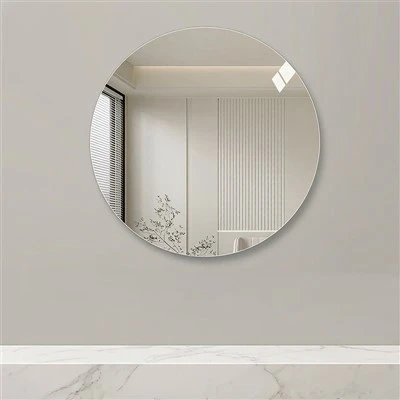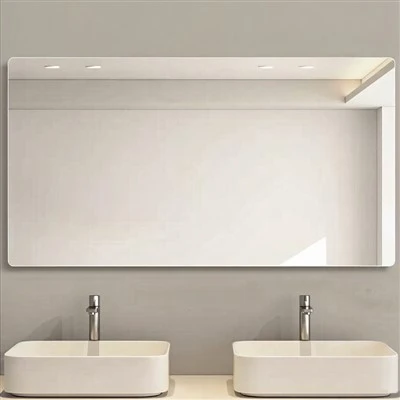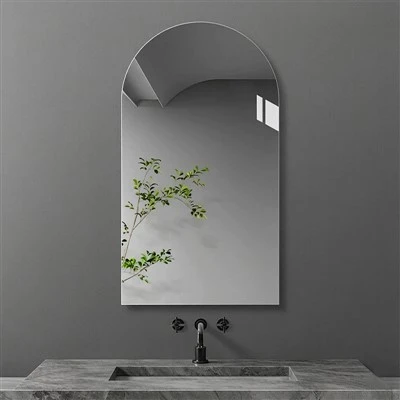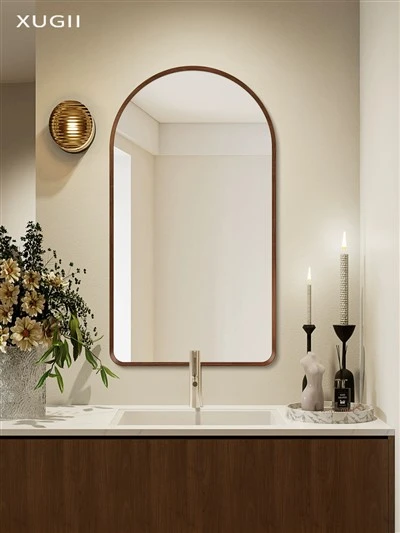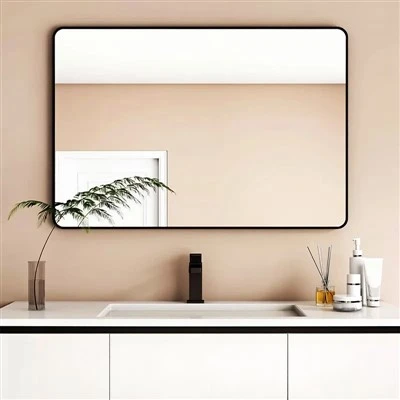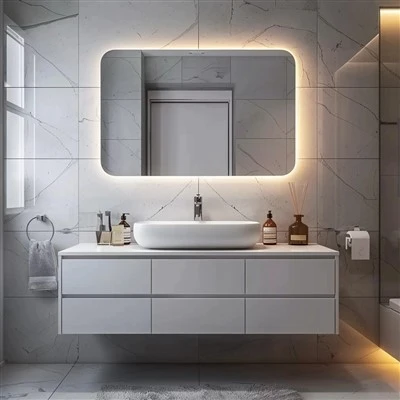
With the expanding application of special-purpose mirrors in industrial manufacturing, commercial environments, smart homes, medical inspection, and public facilities, the technical requirements for these products are becoming increasingly demanding. Unlike conventional mirrors, special-purpose mirrors must meet stricter standards in material performance, manufacturing processes, safety, and functional reliability to ensure stable operation in professional applications.
The first key requirement is the quality of mirror materials. Depending on the intended environment, special-purpose mirrors often require glass with high transparency, excellent flatness, and strong durability to provide clear reflections and accurate image reproduction. Mirrors designed for challenging conditions may also need additional properties such as moisture resistance, corrosion resistance, heat resistance, or impact resistance to ensure long-term performance.
Manufacturing technology is another critical factor affecting the quality of special-purpose mirrors. Processes such as glass cutting, edge polishing, coating application, and surface treatment require precise techniques to achieve accurate dimensions, smooth edges, and reliable performance. Specialized products, including safety mirrors, anti-fog mirrors, and optical mirrors, require advanced processing methods to optimize their specific functions and meet professional application standards.
Functional performance is also an essential part of special-purpose mirror requirements. Anti-fog mirrors must provide stable heating systems or effective surface coatings to maintain clear visibility in humid environments. Smart mirrors require reliable electronic control systems, LED lighting modules, and sensing technologies to achieve accurate operation and a smooth user experience. Industrial inspection mirrors focus on optical clarity, structural flexibility, and dependable performance in demanding working conditions.
Safety standards are equally important during the production and application of special-purpose mirrors. Products must undergo quality testing to ensure stability during installation and daily use. Mirrors used in public areas and industrial environments require strong impact resistance, secure mounting systems, and reliable long-term durability to reduce potential safety risks.
In addition, environmental protection and energy efficiency have become important development trends for special-purpose mirrors. The use of eco-friendly materials, energy-saving lighting technologies, and sustainable manufacturing processes helps reduce operating costs while supporting the development of greener industries.
Looking ahead, continuous advancements in smart technology, new materials, and precision manufacturing will further improve special-purpose mirrors in terms of functionality, performance, and application possibilities. Higher technical standards will encourage industry innovation and provide safer, more reliable, and more efficient mirror solutions for a wide range of professional fields.