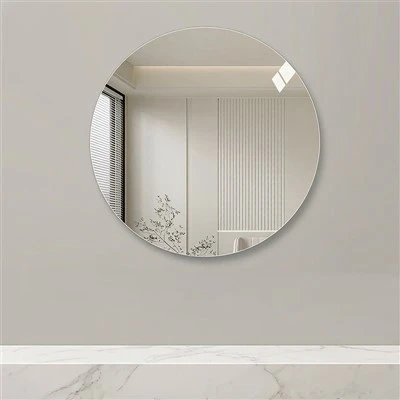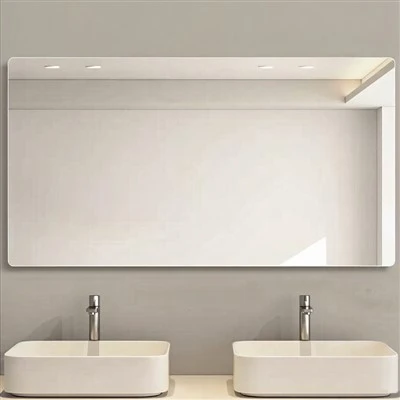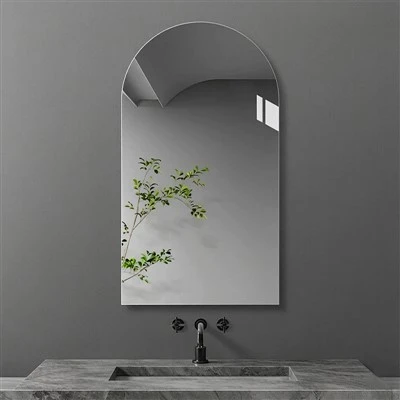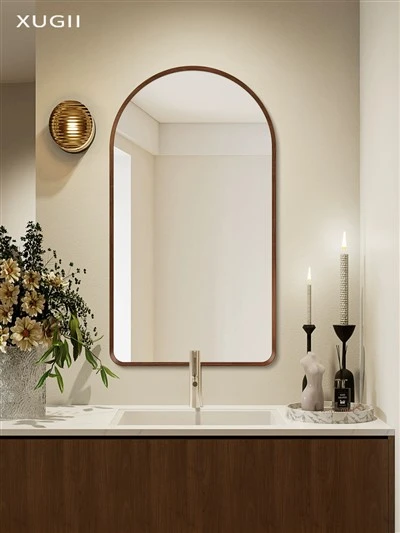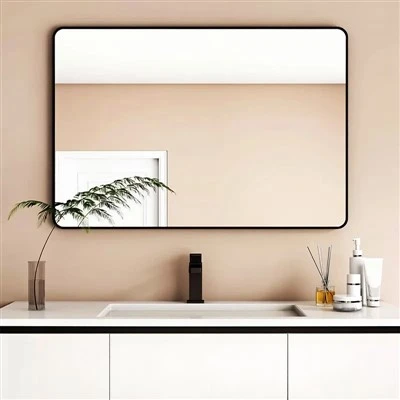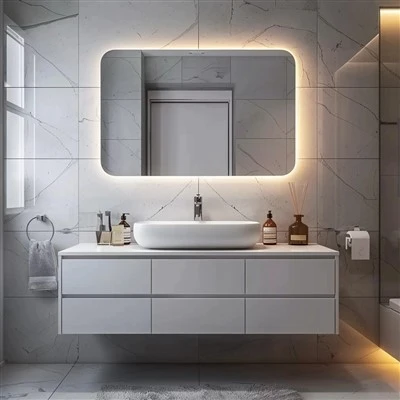
With the continuous evolution of modern interior design concepts, decorative mirrors have developed from simple functional products into important elements that enhance the beauty and atmosphere of living spaces. Whether used in homes, hotels, commercial displays, or public areas, decorative mirrors create unique visual effects through innovative shapes, materials, and craftsmanship. The production of high-quality decorative mirrors involves multiple stages, including material selection, mirror processing, surface treatment, structural assembly, and quality inspection. Each step plays an important role in determining the appearance, performance, and durability of the final product.
The manufacturing process begins with the selection of high-quality raw materials. Glass is the core material of decorative mirrors and must provide excellent flatness, transparency, and stability. Manufacturers typically choose premium float glass and carefully inspect it to reduce bubbles, impurities, and surface defects, ensuring clear reflection and consistent quality. Depending on specific applications, some decorative mirrors may use specialized glass materials to achieve higher safety, durability, and design performance.
Mirror processing is one of the most important stages in decorative mirror production. After cutting, the glass is shaped according to design requirements, including round, square, irregular, and artistic forms. To improve both safety and appearance, manufacturers perform edge grinding, beveling, and polishing processes, creating smooth and refined edges while reducing potential safety concerns during use.
Surface treatment technology determines the visual effect and functional performance of decorative mirrors. Through processes such as silver coating, aluminum coating, and protective treatments, manufacturers can improve reflection quality and corrosion resistance. According to different design requirements, additional techniques such as screen printing, painting, gradient effects, and frosted finishes can be applied to create unique decorative styles and meet personalized interior design needs.
Structural design and assembly are also essential parts of the manufacturing process. Decorative mirrors must be designed according to different installation methods. Wall-mounted decorative mirrors require strong rear support structures to ensure stability, while framed mirrors need precise frame production and assembly to achieve proper coordination between the mirror surface and the surrounding structure. Some modern decorative mirrors also integrate LED lighting, smart controls, and anti-fog functions, combining decorative value with practical features.
Quality inspection is a necessary stage in decorative mirror production. Finished products are carefully tested for reflection clarity, dimensional accuracy, edge quality, safety performance, and structural stability to ensure they meet industry standards. Strict inspection procedures help improve product reliability and enhance user satisfaction.
As consumers increasingly seek personalized interiors and high-quality living environments, decorative mirror manufacturing continues to develop through technological innovation. In the future, advances in new materials, smart technologies, and advanced production methods will further improve decorative mirrors in terms of design, functionality, and environmental performance, providing modern spaces with solutions that are more attractive, practical, and artistic.